Skip to content

Science Based. Ethical Choices. Better Lives.

Meta

  • Register
  • Log in
  • Entries feed
  • Comments feed
  • WordPress.org
The Crab Street Journal

Where hermit crab addicts go!

Primary Navigation Menu
Menu
  • Start Here
    • Hermit Crab Care 101 Newbies Guide
    • Hermit Crab Care Myths That Refuse to Die
  • Crab Care
    • Hermit Crab Care Guides
    • Hermit Crab Shell Guides
    • Molting in Land Hermit Crabs
    • Emergency Care for Pet Hermit Crabs
  • Feeding
    • What Do Hermit Crabs Eat?
    • Safe Foods for Hermit Crabs – Searchable Food Database
    • Safe Natural Foods for Hermit Crabs
    • Hermit Crab Food Recipes
  • Learn & Explore
    • Teacher’s Pet
    • Inside a Hermit Crab (Anatomy)
    • Hermit Crab Conservation and Advocacy: Protecting Their Future
    • How to Help Hermit Crabs: Conservation and Advocacy Ideas
  • Resources
    • Hermit Crab Printables & Downloads
    • The Complete Guide to Land Hermit Crabs and Their Care
    • Amazon Storefront
    • What’s New at Crab Street Journal
  • About
    • About The Crab Street Journal & LHCOS
    • About Stacy Griffith: Advancing Hermit Crab Care Through Science and Education
    • Contact Us
    • Land Hermit Crab Edu Center

surface molt

Hermit Crab Molting Explained | The Biology Behind the Process

2026-05-05
In: Shells & Molting

What Is Molting? Molting (ecdysis) is the biological process by which a crustacean sheds its exoskeleton in order to grow. Land hermit crabs, like all arthropods, do not grow continuously. Their rigid outer shell must be replaced periodically with a larger one. Molting is not a single event. It is a hormonally regulated, multi-stage physiological cycle involving the nervous system, endocrine system, epidermis, and internal tissues. Understanding molting properly requires understanding the internal control system that drives it. The Hormonal Control of Molting Molting is regulated by a balance between inhibitory and stimulatory hormones. The key components are: The X-organ–sinus gland complex in the eyestalk produces Molt-Inhibiting Hormone (MIH), which suppresses molting during the intermolt phase. TheRead More →

Hermit Crab Emergency Help

2014-02-18
In: Hermit Crab Care

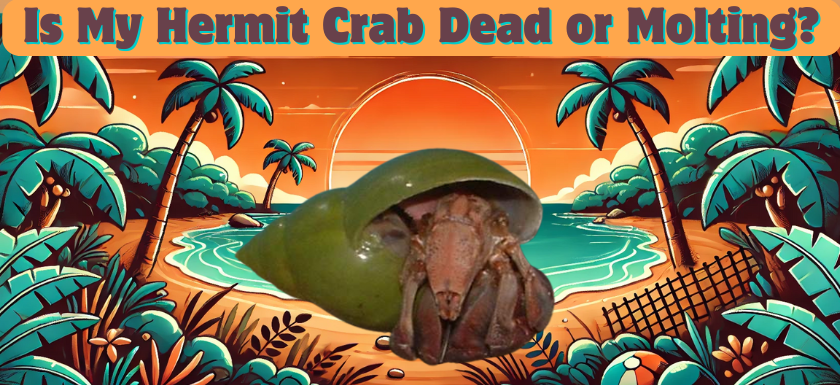
We are sorry that you are experiencing a hermit crab care emergency. Below are some links and information to our most commonly experienced emergency situations. Aggressive hermit crab I purchased new hermit crabs: PPS (Post Purchase Stress) Limb loss Mites or pests within crabitat Is my Hermit crab dead or molting? My hermit crab has left it’s shell and is naked Caring for hermit crabs with limb loss or other deformities After reading these items if you still need some help, please visit the Land Hermit Crab Owners Society Facebook Group.Read More →

Cite CSJ as a Source

To cite this page as a source copy the text below and insert the unique url for each page you wish to cite.

Griffith, Stacy. Crab Street Journal. CrabStreetJournal.org, [URL] Accessed [DATE].

A source citation is not the same as obtaining permission for use under our Acceptable Use Policy.

Policies & Disclosures

CSJ Policies & Disclosures

CSJ is the educational resource of the Land Hermit Crab Owners Society (LHCOS).

Our mission is to improve captive care through science, education, advocacy, and the promotion of ethical stewardship.

Real Results from Better Care

See how improved care standards are changing outcomes for hermit crabs—and help others by sharing your experience.

Submit Your Success Story [LINK COMING]

2001 - 2026 © Crab Street Journal. All Rights Reserved. Unauthorized reproduction, scraping, AI training, or redistribution of content is prohibited.
Educational Use | Acceptable Use Policy | Affiliate Disclosure