
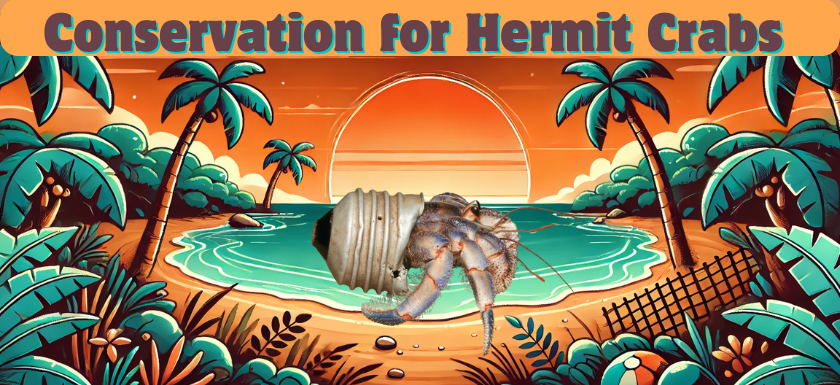
Hermit Crab Advocacy Resource Hub
Whether you’re a seasoned advocate or just getting started, this is your one-stop shop for downloadable materials, campaign ideas, and educational tools. Together, we can protect wild hermit crabs and promote responsible pet care.

Why Advocate for Hermit Crabs?
Threats Facing Wild and Captive Hermit Crabs
Wild hermit crabs are under growing threat from the exotic pet trade, where millions are taken from beaches every year, often dying before they even reach a pet store. This mass collection disrupts coastal ecosystems and depletes natural shell resources.
Captive hermit crabs face a different danger: misinformation. Most are sold with improper care advice, leading to high mortality due to inadequate humidity, temperature, or habitat conditions. Without access to deep substrate, fresh and saltwater, and natural shells, they cannot thrive — and many suffer silently.
Education and ethical advocacy are crucial to ending unnecessary suffering and protecting wild populations.
- How Hermit Crab Keepers Can Help End Poaching and Protect Wild Populations
- Poachers and Social Media

Ways to Advocate
1. Educate the Public
- Handouts and Printables

- Flyers and infographics for vet offices, pet stores, classrooms, and events
- Visit one of the many boardwalk/beach shop areas and hand out free infographics to anyone you see with a hermit crab.
- Hermit Crab Care101 Free Hermit Crab 101 Infographic and Coloring Page
- 🔗 Free Downloads Library – CSJ
- Social Media Campaigns
- Create graphics and captions to share across platforms
- Share social media posts to drive engagement to your favorite crabby organizations
- 🔗 Free Downloads Library – CSJ
- Wearables – sport a catchy shirt or hat from your favorite crabby organization as a conversation starter
- Remember to always be friendly and polite and avoid disparaging stores or employees
2. Report Illegal Activity
- What to do if you see poaching or illegal sales on Facebook?
- To report animal sellers on Facebook, report the post as violating community standards against unauthorized sales. Specifically, report posts that appear to be selling animals, especially those disguised as selling pet supplies, to Facebook’s review team. You can also report the seller’s profile directly
- What to do if you see poaching or illegal sales on TikTok?
- To report animal sellers on TikTok, long press on the video, select “Report,” then “Violence, abuse, and criminal exploitation,” and finally “animal abuse”. If the content involves suspected illegal activity, select “Report illegal content”. You can also report the user’s account by going to their profile, tapping the 3-dot icon, selecting “Report,” and choosing the appropriate reason.
- What to do if you see poaching or illegal sales on Instagram?
- To report animal sellers on Instagram, you can report the specific post or the seller’s account for violating Instagram’s Community Guidelines regarding animal abuse or the sale of endangered animals. You can report content anonymously and the platform will review the report.
3. Promote Adoption, Not Shopping
- Share and support the LHCOS Adoption Program
- Direct others to proper rehoming channels
- 🔗 LHCOS Adoption Program
4. Join or Start a Local Initiative
- “Crabs in the Classroom” program is always looking for locals to work with classrooms
- Start a Return Shell to the Beach shell drive and put out public shell drop boxes
- Ship the collected shells to one of the Hermit Crab Shell Restoration projects
- Setup an advocacy table at local, fairs, libraries or pet expos
- Attend a local event, beach boardwalk, or tourist venue where hermit crabs are sold, offered as prizes, or used in hermit crab races.
- One example is the annual Miss Crustacean pageant in Ocean City, New Jersey.
- Bring your smile! Be friendly, steer away from accusations or negativity. Focus on being helpful and offering information. This is not the time to launch into a tirade about pet stores. The people attending the event are there to have fun, don’t be a bummer.
- Stick to the facts! Do not exaggerate or embellish details.
- Take your time! Let them absorb the information and ask follow up questions.
- Wear a fun hermit crab shirt.
- Hand out free stickers and/or activity pages.
5. Raise Funds and Awareness
- Promote LHCOS fundraising campaigns
- Give Butter campaigns, merch sales, Crab Con fundraising
- 🔗 LHCOS Support Page
- 🔗 Crab Street Market Shop
6. Advocate Through Art and Creativity
- Submit or share original educational artwork
- Host a coloring contest
- Use downloadable coloring pages
7. Speak Up in Online Communities
- Share care guides and links in pet groups
- Gently correct misinformation using approved resources
- 🔗 CSJ Care Guide Library
- 🔗 LHCOS Facebook Group
8. Support Ethical Sellers
- Only purchase from LHCOS Approved Sellers
- Educate others on safe and legal product options
- 🔗 Approved Sellers Program

Join the Movement
- Become a Volunteer
🔗 LHCOS Volunteer Application - Sign up for Advocacy Alerts
🔗 Join the LHCOS Newsletter - Attend or Promote Crab Con
🔗 Crab Con Website
View our Downloads for more advocacy resources.
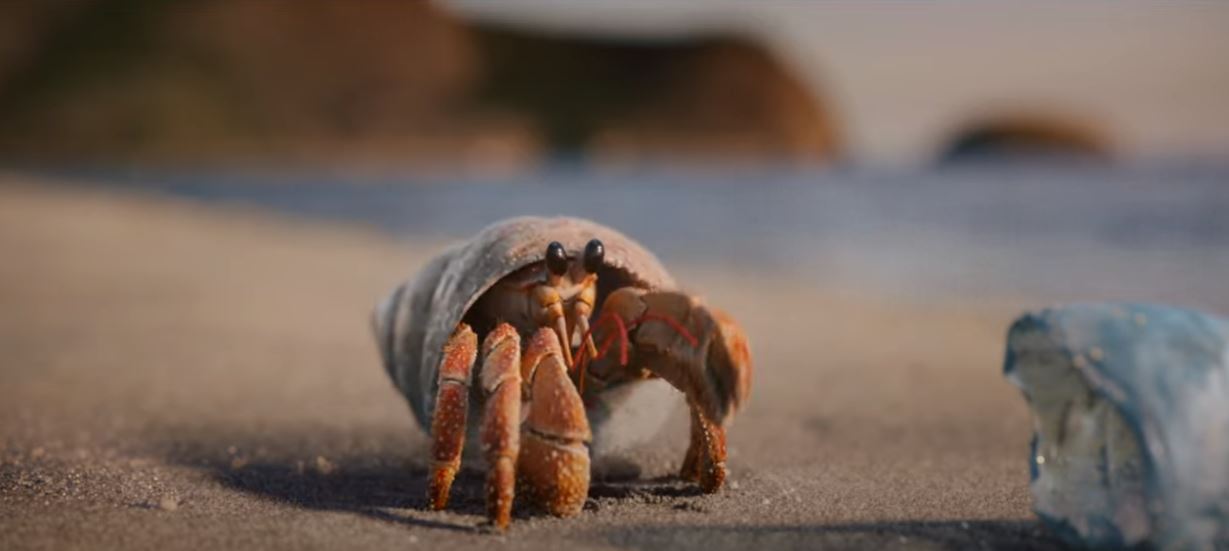
Meet Zuzu the Red Carpet Crashing Hermit Crab!
Zuzu is on a mission to create a better future for our environment and the animals and people living within it. #JoinZuzu Demand recycling reform to keep plastic waste out of the environment. Sign the petition: JoinZuzu.comRead More →
Why Wild Hermit Crabs Need Seashell Projects: Saving Their Natural Homes
Importance of Seashells in Coastal Ecosystems Seashells play a vital role in maintaining the health and stability of coastal ecosystems. They provide critical shelter for marine life, including hermit crabs,…

Spring Break Shell Donation Competition
Read More →
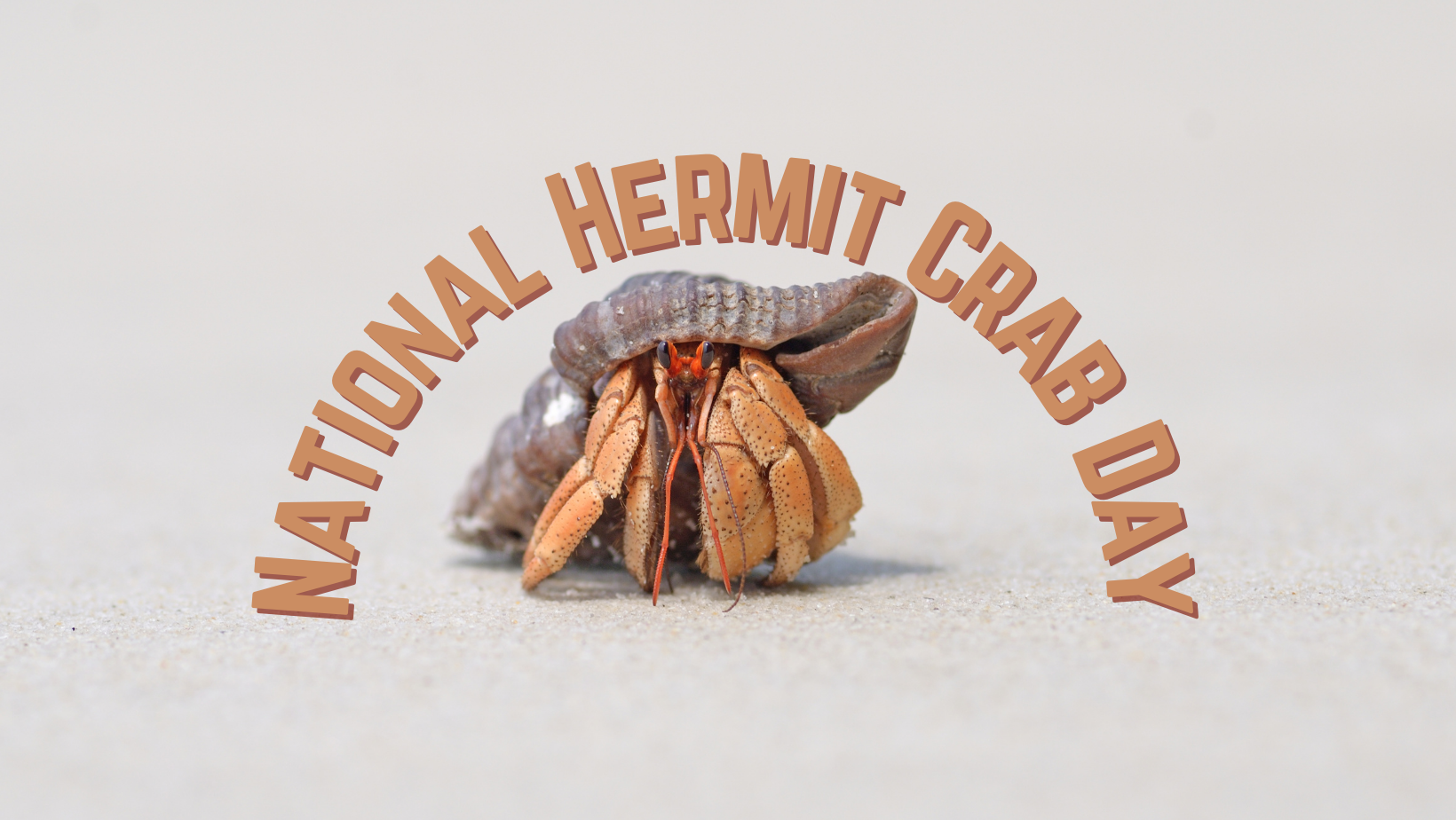
Protecting Our Tiny Friends: National Hermit Crab Day
Introduction Every year, on October 29th, we come together to celebrate National Hermit Crab Day. It’s a day not only to appreciate these fascinating creatures but also to raise awareness…

The Reality of the Pet Trade for Hermit Crabs
Hermit crabs have become a common vacation “souvenir” for many beach-going travelers. They are marketed as “easy” pets and sold in tiny plastic containers with rocks or small metal cages.…